Exploring the Nexus: How Strategy Games are Redefining Open World Gameplay
In recent years, ***strategy games*** have been making waves in the gaming community. They're not just about tactical moves on a grid anymore; they've begun to push boundaries and redefine the concept of ***open world games***. This revolution isn't just a case of changing a few graphics or tweaking gameplay mechanics; it's about a whole new experience that merges strategic planning with expansive worlds, allowing players to navigate intricate storylines alongside tactical decision-making. This article digs deep into this nexus and explores the various ways strategy games are changing the landscape of open-world gameplay.
The Rise of Strategy Games in the Open World
Strategy games have a long-standing presence in the gaming industry. Traditionally confined to specific genres, they are now infiltrating the ***open world*** arena, introducing complex layers of tactics and management into vast environments. This blend offers players the thrill of exploration alongside the need for strategic thinking.
What are Open World Games?
Open world games provide players a large, open environment where they are free to roam, complete missions, and explore to their heart’s content. Titles like *The Witcher 3* and *Breath of the Wild* epitomize this genre, allowing players to engage with a fluid narrative while selecting their chosen paths. But how do strategy games fit into this expansive framework? Let’s take a look.
Strategic Elements: A Game Changer for Open Worlds
Strategy games add layers of depth to open world experiences. Here are some key elements:
- Resource Management: In many strategy-infused open world games, players collect resources, manage inventories, and build structures, thus adding a survival element.
- Real-Time Decisions: Players often face real-time challenges that require quick decision-making, increasing tension and engagement.
- Tactical Combat: Instead of mashing buttons, players need to think critically, deciding when to strike or retreat while navigating the environment.
EA Sports FC 24 Leagues: A Case Study
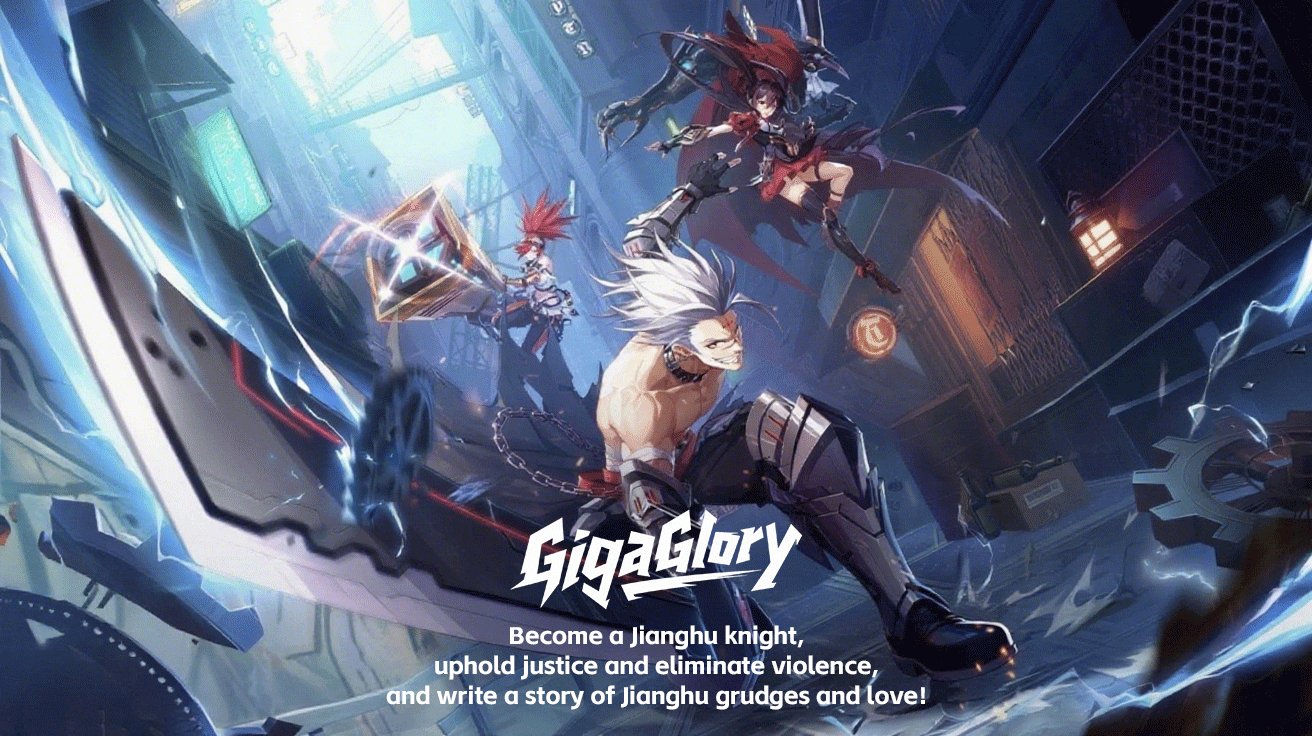
**EA Sports FC 24** has introduced leagues that blend strategy with open-world gameplay elements. Players can strategize their teams, plan formations, and adapt to the virtual environment of the league, pushing the boundaries of what is expected in both sports and strategy games.
| League Name | Key Features | Strategic Elements |
|---|---|---|
| Premier League | Dynamic Matches | Team Building |
| La Liga | Realistic Environments | Player Tactics |
| Bundesliga | Immersive Experience | Positioning Strategies |
Last War Game Guide: Tactical Depth in Open Worlds
The *Last War Game* is a prime example of a title that has merged core strategic elements into an open world framework. Here’s how:
- Engaging Storyline: The game features a robust narrative that requires players to make strategic choices that affect the world around them.
- Open Exploration: Players can venture through diverse environments, each presenting unique tactical challenges that require thoughtful strategies.
- Player-Driven Outcomes: Decisions players make ripple through the game, impacting resources and alliances.
The Impact of Multiplayer on Strategy and Open World Integration
Multiplayer components have also shaped how strategy games are integrating into open worlds. Here are a few impacts:
- Cooperative Play: Players can collaborate, pooling their strategic resources to tackle challenges.
- Competitive Elements: Players can test their strategies against each other, leading to a more dynamic and competitive atmosphere.
- Community-Built Strategies: Online communities often share tactics, enriching the gameplay experience.
Graphical Advances and Their Role
As technology improves, the graphical capabilities of strategy games continue to evolve. This allows for more detailed open worlds, enriching player immersion. High-quality landscapes, realistic character models, and dynamic weather systems further invite strategic planning and engagement.
Emotional Engagement: A Core Component

Strategy games have also begun to tap into emotional storytelling. Distinctive character arcs and personal stakes enhance player connection to the environment, compelling them to strategize not just for victory but for emotional fulfillment. This emotional engagement leads to deeper experiences than traditional gameplay modes.
Future Trends in Strategy Games and Open World Merging
As we look forward, the merging of strategy games and open world gameplay is poised only to grow. Emerging technologies, like Virtual Reality (VR) and Augmented Reality (AR), could amplify this experience, expanding gameplay possibilities.
The Importance of Community Feedback
Developer feedback from player communities plays a crucial role in shaping the future of these games. Developers must listen to players' experiences and desires to keep pushing boundaries and evolving gameplay dynamics.
Concluding Thoughts
In conclusion, the fusion of ***strategy games*** with the essence of ***open world games*** is transforming the gaming landscape. With immersive worlds, emotional narratives, and tactical depth, players are now exposed to experiences that demand critical thinking and strategic decision-making. The rise of titles that blend these elements showcases the potential for upcoming developments in the gaming industry. As genres continue to blend and evolve, we can only imagine what future experiences await us. Stay engaged, stay strategic!